Categories
Album Review Staff Review

Walk in Darkness – Gods Don’t Take Calls (Review)

It’s no secret that I’ve always been appreciative of Nicoletta Rosellini, and her numerous bands and projects. And this sentiment certainly does not appear to be at any risk of changing for the impending release of “Gods Don’t Take Calls” – the latest from Italian gothic/symphonic metal outfit Walk in Darkness. As despite the general premise of the album’s title, somehow all of my prayers for this new studio production were still answered (and then some).

The album is the follow-up to 2022’s essential “Leaves Rolling in Time”, and has been slated for release on December 12th, 2025. Similar to prior entries in the band’s discography, the quartet continues with their exploration of humanity’s decline, and its pre-occupation with superficialness and chaos. By combing through the ruins of this modern civilisation, and reflecting on our shared memory and identity, it serves like an almost prescient record of our joint upheaval, in a world where the gods are now silent. It is not without an enduring sense of hope, however, as each of our spirits are calling out for something greater. And there’s still a hint that beyond the darkness and disillusionment… a fragile light lives on.
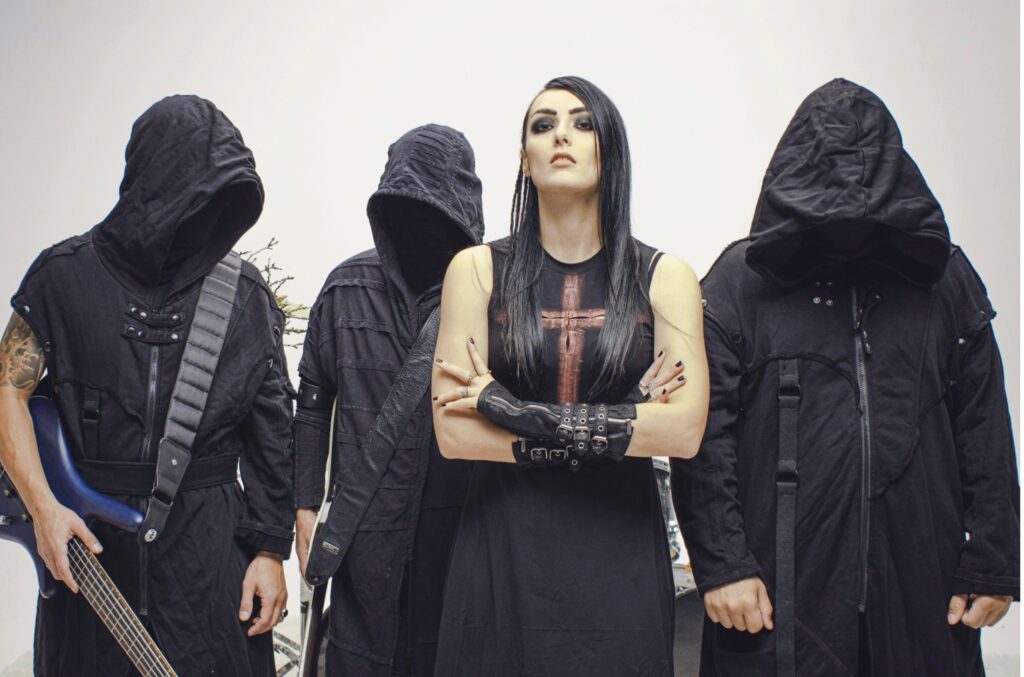
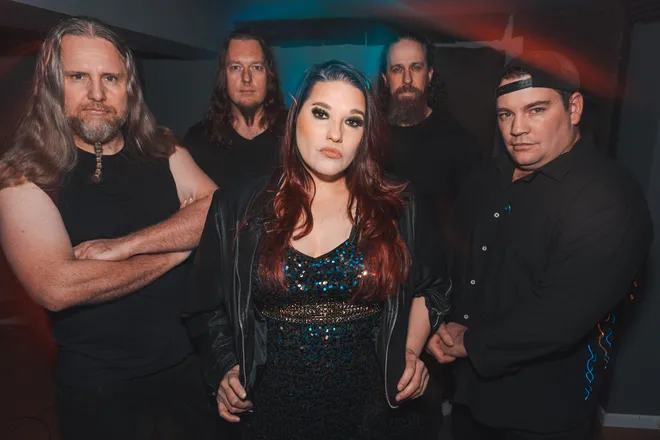
The band itself needs no real introduction; not just because they choose to be anonymous. Aside from Rosellini herself, who is credited as being a lyricist/co-songwriter for the album along with lead vocalist, the other members have an air of mystery about them due to their hooded attire. But we do know that Shaman is the main creative power behind the band as guitarist, lead composer and lyricist. While Monk Key and Arcanus, complete the line-up by looking after the bass and drums respectively. It’s worth noting that this anonymity is more than just an aesthetic decision. It feeds into a more profound function, whereby the art can direct emphasis on universal themes and essences, as opposed to personalised concepts.
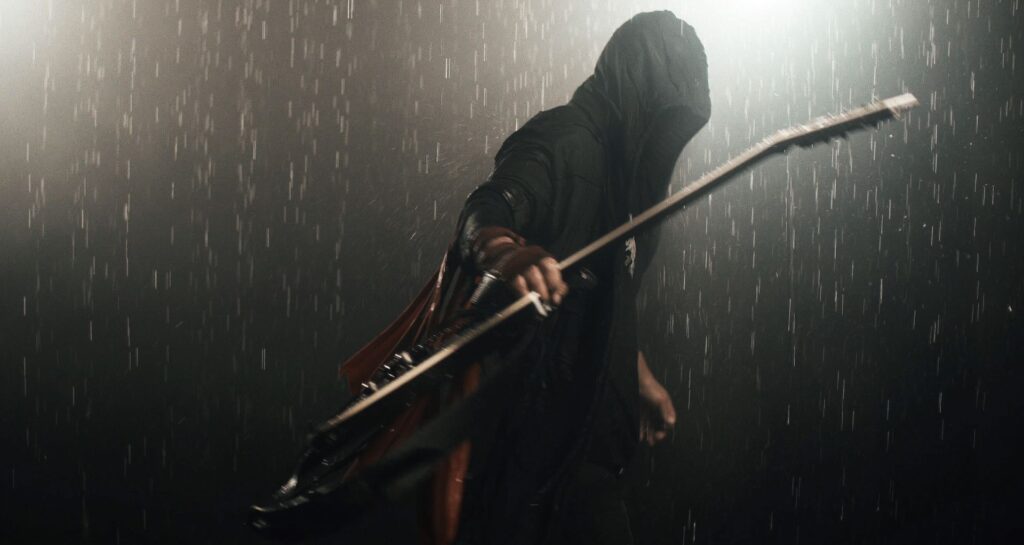
The starting build-up and tension of “Nico Rising” hits you right in the chest, well before the band powers through your speakers with their own predominant intensity. The sensation of urgency is palpable, as if the band’s message has gained greater importance since our last encounter with them – beckoning listeners to find inner purity and search for hidden truths. An encouragement that is echoed in “Across the Oceans“, a song that pushes the case for humanity’s rebirth, and the desperate need to seek the light from out of this modern chaos.

We must free the chained Gods
And rebuild the pillars that hold the sky
To walk over these dark clouds
To restore light and find a way

Walk in Darkness – Across the Oceans

Rosellini is the face and voice for all these concerns, and there is none more capable to serve as your harbinger. With her warm-sounding and emotion-rich vocal inflection, she stands miles apart from her peers. Her tone is also perfect, as she strikes the right balance of compassion, without any of the usual side-effects of being preachy. It also helps that her singing blends in seamlessly with this dark, foreboding instrumentation that is the trademark of Walk in Darkness. Their music paints a desolate soundscape for listeners through its dense mixture of cinematic orchestral arrangements, deep melodic structures, and heavy guitar riffs (and solos), where each note conveys the genuine sensation of weight and purpose.

If there is a song which encapsulates the beating heart of this album, then it would have to be “No Banners, No Glory“, and its harrowing prophecy of the demise of Western societies. With the subsequent need to travel East – not for conquest, but instead to find kinship and spiritual freedom. The music is suitably dramatic and reminiscent of early Tristania thanks to the vocal work (both clean and guttural) and cinematic string sections; the former aided by guest vocalist Clara Sorace. It’s this pursuit for salvation that leads us into “Chasing the Horizon“, a punchy anthem and one of the biggest highlights of the album. It benefits from the added growls of longtime collaborator Emiliano Pasquinelli, whose brutal interjections contrast beautifully with Rosellini’s softer approach. But the composition is empowering in its message as well: “We fight and fall, through the ever-changing tides of Time // Raising our gaze towards the horizon line. // Caught in the endless cycle of wars, we cope // Hanging on the unsteady wings of hope // On the wings of hope“.

Freedom” is a pointed reminder of the invisible shackles of our modern-day existence, and is immediately attention-grabbing from a musical standpoint, due to its multi-layered vocal textures and interludes of classical guitar, lending an unpredictability to the song structure. A trait that is further driven home when it swiftly escalates to an epic emotional crescendo, thus matching the symbolic breakthrough of the narrator, who suggests refuge in your own thoughts: “I cherish freedom // the visions of dreamers // And all that rises in the madness of the wind“. While “Mother” plays out as a touching tribute to nature and the cosmos, as soft acoustics are punctuated with rich, saturated guitar tones, which seemingly hang in the air for an eternity, and the calm, nurturing vocals of Rosellini, while humanity “bows in silence” and willingly surrenders itself to technology.

Towards Chang’an” is another attempt by Walk in Darkness to underscore the importance of spiritual enlightenment, and is expressed through a symbolic journey towards a mythical destination that promises wisdom and peace. The song is replete with all the elements you have come to expect from the band: from the conceptual gravity, contrasting vocalisations, and brooding ambience, to the juxtaposition of classical and heavy guitar rhythms. The last track, “You Who Dream“, ties everything together for us with its celebration of the dreamers and quiet thinkers who are resistant to humanity’s technological enslavement, and the final pleading call to its audience to hold onto that which is important – such as taking our time to look out onto the ocean, to dream, to effectively… “stay human“.
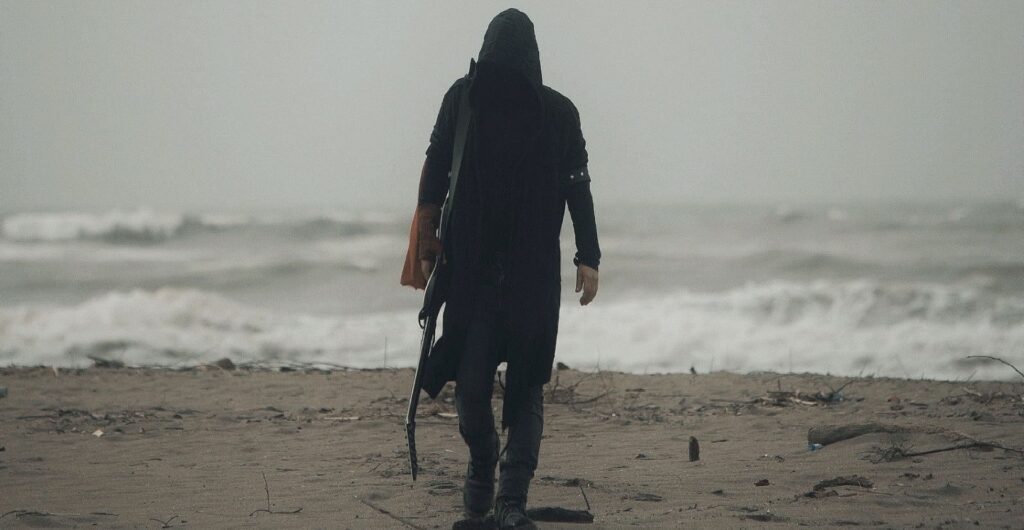
Walk in Darkness have clearly distinguished themselves from other metal acts during their career, pushing beyond the confines of the gothic metal genre with their thought-provoking lyrics and their unique fusion of sound and philosophy. As a refresher of the band’s notable origins, we are also treated to the spectacular bonus track “Last Siren (Revisited)“, which is a newly enhanced rendition of a beloved classic from their debut album “In the Shadows of Things(2017). Its inclusion does feel like a “full-circle moment”, which hopefully does not indicate that “Gods Don’t Take Calls” is the last release we will see from Walk in Darkness. But if that is indeed the case, we could not have received a more perfect bookend.

Verdict: With “Gods Don’t Take Calls”, Walk in Darkness have refined this dystopian sound for which they are renowned to a fine art. The album takes you on a philosophical journey, where cautious undertones are ever present, but are also mercifully counterbalanced with sparks of light and optimism. A fully immersive and unmissable experience for any gothic metal fan – which will forever establish the legacy of Walk in Darkness as one of the most visionary and spiritually-invested metal bands of our generation.

Categories
Album Review Staff Review

Elenion – The Symphony of the Night (Review)

The dark, symphonic grandeur of Elenion’sThe Symphony of the Night“, has just been released worldwide – and it seems perfectly timed for all lovers of Halloween. The band make their intent known with this first chapter, as they begin their heroic journey through the Music of the Spheres. A concept which is no doubt tied to their efforts to reimagine symphonic metal as ‘World Metal’. And it is clear from the international production of this album, that Elenion have earned the right to flaunt this proud new title.

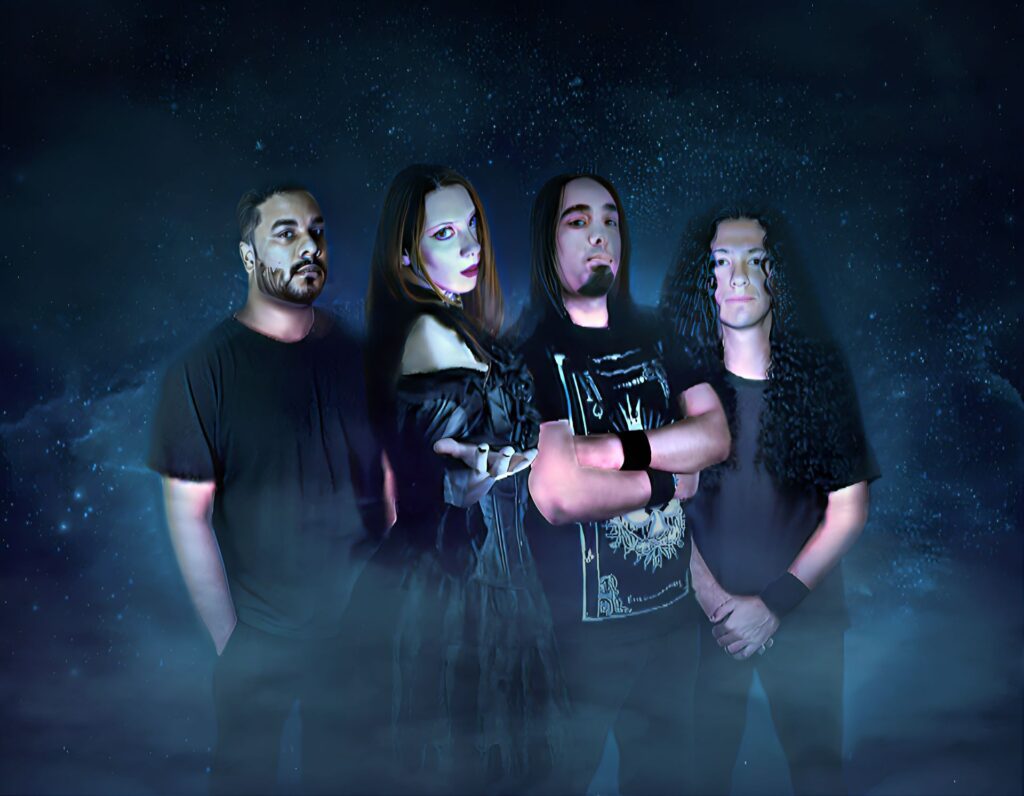
The band are a diverse collection of individuals and cultures, with members originating from different geographic regions, including South and North America, Europe, and Asia. The project was initially founded in 2017 by vocalist and multi-instrumentalist, Berenice Piceda. Before later evolving, as Icaro Ravelo (drums), Kublia Kapsalis (guitar), and Eric Aguilar (keyboards) were introduced into the fold. With a mix of identities such as this in the band’s line-up, it is only natural that it feeds into the art itself, with the album’s lyrics spanning multiple languages and ethnic tapestries. But it still blends into a cohesive and highly immersive experience, which can be enjoyed universally.

The gentle ivories and haunting choirs in the opening moments of “Starborn“, escalate into a powerful melody with rich orchestrations and fierce metal riffs. But if a star is being born – then it is clearly Piceda. Her crystalline singing, and the pitch-perfect vocalisations in her operatic range is truly something to behold. She displays immense power and control with every note. What a fantastic introduction! “Carpe Noctem” is up next, which is a play on the more common Latin phrase (“Carpe Diem”) for in this case it is instead translated to “Seize the Night”. In this track, Piceda’s classical-inspired vocals are paired with the more modern styling of Juli Hope (Abstracted Mind). Vivaldi-like string sections also contribute much to the symphonic splendour, while still delivering plenty of unrelenting metal spirit.

Don’t be afraid, in this search together we will roam
The unknown is just an epiphany that waits for you alone

Elenion – Carpe Noctum

The band delves into Latin again for the lyrics of “Conqueror of the Sky”, which references the myth of Icarus (who flew too close to the sun) – stirring up themes of ambition, daring, and the typical heavy tradeoff between risk and reward. Perhaps on cue, “Invocation – The Ancient Devotion I“, showcases Elenion’s own willingness to take a few chances and try to pursue a higher course, as they look to elevate the cinematic atmosphere with a ritualistic chant of ancient goddesses. The second part, “The Wild Goddess – The Ancient Devotion II“, brings us Piceda singing epithets in Ancient Greek that would normally be attributed to the goddess Artemis, a nocturnal huntress – which very much stays on theme.

The versatility of Berenice throughout this album simply cannot be overstated. It is a point that is proven again and again. Take “Queen of the Night” as another example, the modern-day version of a classical aria composed by Mozart, and which appears in the second act of “The Magic Flute“. If ever you needed any evidence that Piceda belongs on her metal throne, then this is it. Such a number necessitates a very skillful and flexible type of singer, especially when punching out the lightning-fast cascade of high-pitch staccato notes. “A Sailor’s Tale” sees a shift to a lighter, softer tone, yet still possessing all of the gothic romance of an Anne Rice novel, in Piceda’s ballad-like duet with male guest, Drake Chrisdensen (Ruins of Elysium): “Through eternity memories haunt me // Across infinity I hear your heart pounding // And I fight, asking the Gods what horrors we must atone // For a twin flame agonizes burning alone“.

The Spanish-written “Himno a los Caidos“, continues in the vein of the dramatic and poetic, conjuring notions of sacrifice and eternal revenge in its theatrical narrative. Next, German-sung track, “An den Mond” (or “To The Moon“), contains a stanza from the famous poem of the same name, and deals in topics of solitude and dark inner journeys.

We finally have the finished version of “The Hunting” (previously released in demo form) in all its fast-paced neo-classical glory. And let’s not forget the radio-friendly new single, “The Last Dark“, with its harsh male vocals and infectious guitar harmonies. Yet the best is most certainly saved for last, with the 12-minute title track “The Symphony of the Night“. Broken down into multiple phases, the song is everything you could possibly want in an epic finale, and once again shows not only the remarkable skills of this young band, but their ambition.

While each song is different, they each have one commonality that binds them all together. They investigate a particular type of darkness or aspect of the nocturnal realm. As though the compositions fit neatly with each other; like pieces in a larger puzzle. Musically, there is also plenty of variation – with influences spanning across the wide geographic and cultural spectrum. Its foundation remains heavily rooted in the genre of symphonic metal, however, making it a very easy recommendation for fans of Epica, Nightwish, and Therion.

Verdict: Elenion’s “The Symphony of the Night” is an operatic triumph. The perfect treat for this year’s Halloween, but also representing a unique and exciting new chapter in the venerable history of symphonic metal. With a global focus and appeal, the band already has all the elements it needs to become an international phenomenon.

Categories
Album Review Staff Review

Talia Hoit – Oceans (Review)

Talia Hoit may not be a name that you instantly recognise, but don’t let that fact deter you from approaching this release. Having been involved already in the production of two studio albums, with Colorado-based symphonic / gothic metal band Beyond Forgiveness, there is no question that Talia Hoit has the necessary credentials to embark on her own solo career. But setting that aside, such a change can still be formidable. So, does Hoit sink or swim on her maiden voyage?

Even with an assumedly smaller budget than a lot of her musical competitors, “Oceans” holds up remarkably well by modern standards. There is an obvious amount of polish when you listen to the album’s production quality. The “how” and “why” make perfect sense as soon as you learn that Frank Pitters assisted with the mixing and mastering (Visions of Atlantis, Deep Sun, Edenbridge). The rest of the line-up includes guitarist Mat Plekhanov (Dragony), drummer Roland Navratil (Atrocity, Leaves’ EyesEdenbridge), along with bass and rhythm guitarist, Max Stoner (who appears to be mostly famous for his dope name). But as stellar as this crew might be, the true shining star is none other than Hoit herself, who serves as a constant beacon in the night sky – guiding us through the mysterious seas that lie in wait.

Her vocal delivery is at once distinctive, while at the same time familiar. Most listeners will quickly find comfort and acclimatize to her angelic singing. But let’s not get too settled, as the opening tune, “Castaway“, has been designed to immediately test your sea legs. “How can I survive // When the rogue wave hits me from behind”. Touching on a feeling which I’m sure many of us have experienced at some point in our lives. Despite the sense of despair, the song’s steady pace and powerful choruses drive this more into the realms of an upbeat anthem. The music is just abundantly pleasant, in spite of the disheartening lyrics.

It’s like I’m stranded and forsaken in a world torn apart
Trying to face all the sorrows of silent wars
Been betrayed by a hope in my once awakened heart
Wrecked upon the shores
A Castaway

Talia Hoit – Castaway

The folksy melody of “Unanchored” brings a quiet sea change, and potential glimpse for an optimistic future: “I wonder what will come tomorrow, will I wash ashore“. Fans of metal with a more pirate-themed vibe should like this one especially. “Ocean” tries to keep this hopeful transition alive, with the promise of love now being floated as a saviour in this impassioned heavy metal ballad: “My waves will carry you // the tides will bring you in // I’ll take away your fears // and I’ll find you through the storms”.

At this point, it is obvious that Hoit is not only an amazing vocal talent (to rival some of the best the genre already has to offer) – but she is also a seriously accomplished songwriter and storyteller in her own right. I’m not entirely sure why her singing is at times so recognisable. It is possible I have unwittingly come across her work before. But what I do know is that this combining of dark, introspective lyrics, and her sweet soprano voice is an absolute auditory treat. I can’t really explain it. All I can say is that it just works. And I suppose, that is the main conceit of the album. The rest of the band still do their part admirably, but their efforts ultimately fade into the background when placed next to the powerful duo of Hoit’s compositional and vocal sensibilities.

Beautiful” is another terrific highlight on the album, and a personal favourite. Once again, an aesthetically pleasing exterior belies the gloomier undertones of the song. Perhaps not unlike the ocean itself, and the mysterious dangers that lurk beneath the calm beauty of its surface. It is this dichotomy that permeates throughout the songs, which not only matches the multi-layered themes, but makes for an intriguing fusion overall.

Stolen” introduces the familiar sirens in Greek mythology to warn of deception, and how we must all live with the consequences of our choices in the future. While “Abyss” details the experience of falling deeply in love, to the point of almost losing oneself. There is still plenty of air left in the sails as we journey through the “Vastdeep“, a fast-paced song with an abundance of glittery keyboard notes which could be representative of: “The Ocean in the dawning light // Satin shimmering gold“. An energetic song this deep in the playtime is much appreciated and helps maintain interest. Epitomising the idea of remaining positive against all odds is “Island of Hope“, where a keyboard-laden intro safely navigates us into buoyant riffs and beats, and a superlative breakout guitar solo during the mid-section.

Infinity” is Hoit’s moment to shine again, steering the ship by herself at the beginning until the band eventually accompanies her again – and in a rare moment have their own time to bask in the sunlight as well. The final song even shakes up the formula a bit, with the ever-shifting nature of “Significance“, a possible symbolic backdrop which is used to depict the constancy of our memories within a forever changing world. And on the topic of long-term retention, it is conceivable that Hoit’s Oceans” will also be successful in forging treasured memories for its listeners. It surely marks a strong early showcase for Hoit’s solo career.

Verdict: While the seas are not entirely uncharted in Talia Hoit’s LP “Oceans”, there is still plenty of bounty to be found. It is a more serene voyage than you might be expecting too, with Hoit’s soothing voice instilling a comforting ambience and lighter tone, regardless of the turmoil in the lyrics. But if you’re looking for a pleasing listening experience that won’t rock the boat too much, you should definitely set sail with this symphonic debut.

Categories
Album Review Staff Review

Marble – T.I.M.E. (Review)

If you’ve ever been drawn to the theatrical side of metal, then you’ll find a lot to appreciate with “T.I.M.E.” – especially during its early moments. The third album release from Marble, wastes no time recreating that special feeling of being at a live production. “Welcome to the Theater…”, the flamboyant announcer exclaims in the intro of “Through the Veil” (the round of applause from the audience adding to the general immersion): “…where everything is fake, but nothing is false“. And with this shared paradox, the show begins.

Though the cast may be unbeknownst to some listeners, it is fairly obvious that all of them are ‘old stagehands’. The technical proficiency of each band member shines through from the very first act. The Italian sextext play a mix of symphonic metal that has strong progressive elements incorporated and showcases a penchant for a more aggressive performance style than is usually standard for the genre. The leading lady, Eleonora Travaglino, is not excluded from this observation either, as she hits every note with a raw power and emotive impact. An impressive feat considering the combined decibel output of her artistic companions, a roster which includes: Paul Beretta (Lead Guitars), Omar Gornati (Guitars), Daniel Fleba (Bass), Jacopo Marchesi (Keyboards), and Norman Ceriotti (Drums).

Through The Veil” sets the expectation bar even higher as the music steps in – the band clearly indulging in some fun early on with its Dream Theater-esque instrumental groove, before yielding to the presence of Travaglino and her commanding vocalism. As a fitting context, the lyrics recite a tale of guilt and tragedy. But the mood is lightened considerably with a dash of 70s-inspired synth sounds towards the end. “The Jester Duplicity” gives no such reprieve for the audience – bolting out of the gates with a blisteringly inhuman speed and intensity (especially on the part of Ceriotti). Ivan Adami (Stranger Vision) also enters the stage to join in a duet; his gravelly tone providing a strong counterweight to Travaglino.

Eleonora Travaglino holding white mask next to her face

While most of the songs on the album are inspired by female figures (as depicted by their theatrical playwrights), the one which most people will recognise appears in “The Sleepless King“. Based on Shakespeare’s Macbeth, Travaglino is naturally acting the role of Lady Macbeth in this number. It has that instant “single” quality; very accessible and catchy. Although this piece still finds ample time to unleash a slick torrent of solo guitar and synth melodies, despite it being a little more streamlined for radio.

All hail the Sleepless King,
has been crowned by my own will
I can’t wash away the blood stains
on my hands remain
the burden of my pain

Marble – The Sleepless King

The standard continues to be upheld in solid entries like “Face of Deceit” and “Aftermath“, as the album now settles into its established formula. The latter culminating in a colossal breakdown of sorts, with weeping guitar notes sustained over blasts of double-bass kicks. While “Voice of Awareness” kicks things off a bit differently with its more tender keyboard arrangement. Travaglino adds more nuance and vulnerability to her singing as well, to pair with the lyrics: “I’ve become invisible // You have forgotten // In your eyes I’m incapable // To be a mother nor a spouse”. This softer side of Travaglino is appreciated, as is the increased visibility afforded Fleba, whose robust bass playing here is even responsible for connecting different phases of the composition.

The Garden of Despair” adds a dash of neo-classical flair to the proceedings. Even for this decidedly slow- to mid-tempo affair, there are still a handful of instances where Ceriotti can be heard drumming his heart out on the bass drum. And I honestly love the lack of restraint and quick injections of energy. The brassy-rich sounds of a cathedral organ herald the start of “Heliosyncrasy” and this dynamic track introduces the growling phonics of Clode Tethra (who also returns for the final song). While “Smile In Decay” ups the epic levels further with plenty of orchestral strings and the inclusion of vocal ensemble Gruppo Vocale Calliride. It all coalesces to the final climax that is presented in “Theater Is My Essence” (revealing the mystery behind the acronym of the album’s title). The statement is undoubtedly true, given everything that we have already witnessed on this album. But Marble still demonstrate this one last time – delivering an ending to a body of work that is truly deserving of a rapturous curtain call.

Verdict: With T.I.M.E., Italian-based Symphonic Metal band Marble have proven once and for all that they are masters of theatricality. While not quite reaching the same heights of the classic works that so inspired them, it is nevertheless a highly entertaining show, and one that will almost certainly leave you wanting an encore.

Categories
Album Review Staff Review

Unbowed – Silent Weapons for a Quiet War (Review)

It is no secret that heavy metal has the ability to provoke feelings of empowerment and rebellion within its listeners. This psychological impact is perhaps no more powerfully demonstrated than with Unbowed’s debut LP, “Silent Weapons for a Quiet War“, set for independent release on 13th December, 2024. The album’s title might sound like something of a misnomer at first, since the auditory assault by this German band could be labelled as anything but muted. (On top of that, the sheer energy and capability on display is all the more impressive when you discover the line-up is comprised of just three musicians).

However, delve a little bit deeper into the lyrics and themes of each song and you’ll begin to understand its relation to the over-arching message – that systems of control are stealthily engaged in a war on our society. A statement that you would be hard-pressed to find much disagreement with, especially with the events of recent times. But far from surrendering to this sad reality, Unbowed are living up to their namesake, and fighting back. Taking position on the frontlines of this battle are the ever versatile band members: Vox Infernum (vocals / lyrics), Aetherius (guitar / synth / production) and Percival Drakon (bass / drums).

Their rebellious sentiments perfectly encapsulated in the band’s output, which is a mixture of melodic death metal, along with various elements of thrash, punk, and power metal. An inevitable comparison can be made to the likes of Arch Enemy, and while there are clearly similarities in approach, Unbowed do enough with their brand to successfully differentiate themselves, and stamp out their own patch of territory. Plus, the trio are united by a shared purpose, and strive to do more than just entertain listeners. As proponents with a steadfast dedication to social justice, feminism, and anti-capitalism, they all aspire to see their music used for education, and ultimately, a tool of resistance against the status quo.

The pen can’t topple thrones alone,
We need more than words, we need the stone.
From thought to deed, the spark is cast,
Revolution born, breaking free at last.

Unbowed – The Stone

Every resistance needs that initial spark, and this is exactly what occurs when agitating opener, “We Need A Stone“, comes crashing in through the speakers – an urgent call to action, and a rallying battle cry for all who are seeking to effect social change. Unbowed exhibit their distinct passion for this project by virtue of their unrestrained performances. Vox Infernum pushes her vocals to near breaking point on subsequent title track, “Silent Weapons For A Quiet War“, for instance; her sustained screams sharing the same sonic quality as white-noise at various points. That’s no real exaggeration either. The pitch she achieves is nothing short of mind-blowing during these exhilarating moments, and more resembling what you would expect to hear from a black metal singer.

Unbowed have no qualms about shifting the pace into a higher gear either, such as with the neck-breakingly kinetic, “General Energy Concepts“. Here Vox shows off a different aspect of her voice again, with a pronounced clean-style providing a sharp contrast to her aggressive default setting. Aetherius is given a little more room in the song to make his presence known as well, and showcase his sharp technical abilities as he chimes in more frequently with rich-sounding melodies. If I had to pick an early contender for hit single, this one would be up there as it has all the obvious hallmarks.

4th Law of Motion” took me by surprise again with its unpredictability and Vox’s spoken-word passages, giving off a definite hip-hop vibe early on. Yet this was nothing compared to the ecstatic melding of Vox’s epic screams and the heavenly crescendos of Aetherius‘ weeping guitar solos that would appear later on in the track. There are several such high-points like this on the album, which is a good thing when you take into account its 14-track runtime, not to mention its unwavering focus on political and social issues. Yet thankfully the album never makes you feel as though you are being lectured, which can sometimes be a danger when advocacy collides with art. Here at least, it feels natural and organic.

Hidden Hand” and “Programmed Consent” highlight the efficacy of propaganda and lack of education in controlling the masses, while injecting some cleaner guitar harmonies for the first time. Whereas the pulsing chaos and intensity of the aptly-named “Confused and Amused” will no doubt ensure that it becomes a crowd-favourite in the pit, and all the while simultaneously serving its more meaningful purpose as an allegory for an oppressed and ignorant society: “Keep them confused // Keep them amused“. Aetherius is heard igniting the tension in the air with his flaming hot guitar licks in the opening of “Between Knowing and Disbelief“, as Vox matter-of-factly and somewhat defeatedly expresses the massive mental hurdle that consistently has to be overcome in order to accept the overwhelming truth of our reality: “Blinded by disbelief // We stand paralysed // A conspiracy so vast // It defies our eyes“. Before calling attention to the importance of what is at stake with “Won’t Someone Think of the Children“. With all of this doom, you may not be expecting the shift back to a more positive and inspiring tone, but it arrives with “99 Percent“, emphasising the strength of the silent majority, and how much power lies with the people. You can just feel the winds of change propelling Unbowed to the album’s conclusion, and the group is likely hoping this same momentous energy reverberates with listeners even after the last note is played. Their brave defiance and determination, and the way it has been expertly delivered in such premium musical fashion, is definitely persuasive enough to believe it might!

Verdict: Female-led melodic death metal bands are few and far between, so it is always a welcome occasion to discover another, particularly when they are of such high quality as Germany’s Unbowed. Their debut LP, “Silent Weapons for a Silent War”, establishes them as a force to be reckoned with, and one that is motivated by noble causes. It’s hard not to imagine them attracting a wide legion of followers as a result.

Categories
Album Review Staff Review

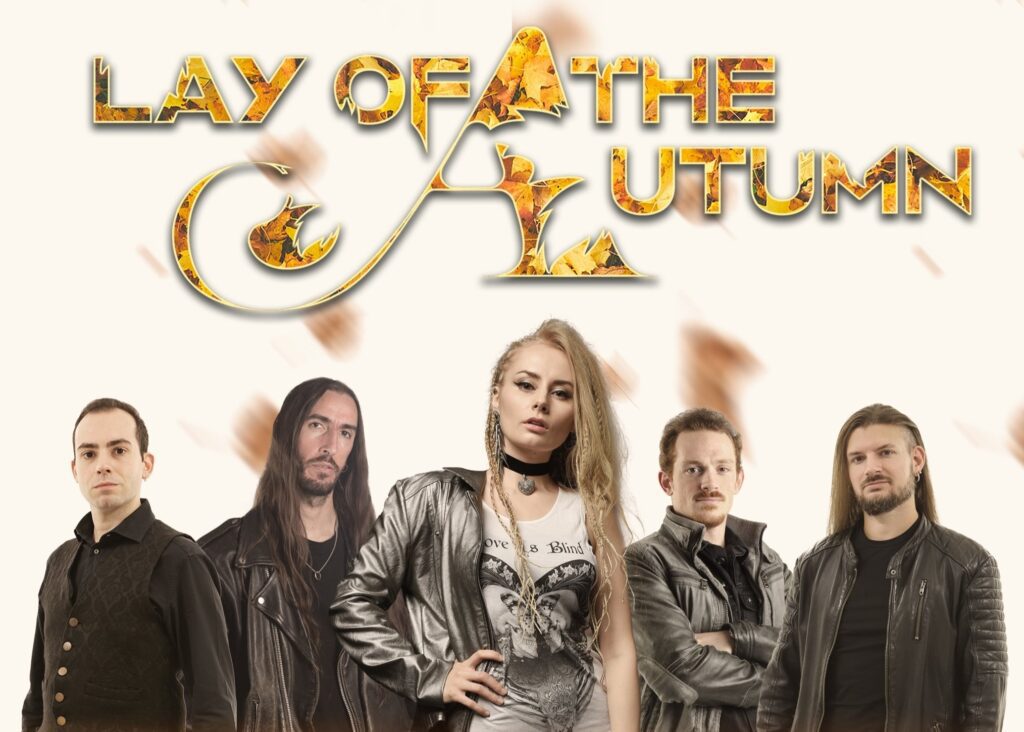
Lay of the Autumn – Of Love And Sorrow (Review)

Whilst I have a healthy appreciation for all sub-genres of metal, if you have been following my reviews on this site for any length of time, then it is likely you will have noticed my predilection to power metal in particular (more so when it is symphonic). So you can imagine my happiness when “Of Love And Sorrow”, newly released on October 25, 2024 thanks to Rockshots Records, promised to deliver an experience which harked back to the golden era of bands such as Sonata Artica, Stratovarius, and Nightwish.

The album marks the debut of the rising Italian force known as Lay of the Autumn, whose name may sound familiar to Insomnium fans (if you don’t know the reference, do yourself a favour and investigate “Across The Dark”). Like that band’s music, “Of Love And Sorrow” possesses a similar melancholy, but this is where the sonic comparisons really end. Despite their newcomer status, the line-up also consists of a strong pedigree of musicians, including Davide Scuteri (Ravenword, Choirs of Veritas) as the keyboardist and sole lyricist/composer, and Michele Olmi (Chronosfear, Embrace of Souls) on drums. But the real prize for me was with the surprise reveal of Ukranian vocalist Iryna ‘ERIA’ Boyarkina, whom I have always admired in other projects – even her brief stint in the oft-maligned pop-metal band SEMARGL.

Indeed, if ever there was a singer deserving of greater breakout success, it would be Iryna. And with Lay of The Autumn, that may finally be a real possibility. When the band had first showcased their music, it was with the initially promising instrumental track “Si Sta Come D’Autunno Sugli Alberi Le Foglie”. Although it was pleasant and gave a strong indication of their virtuosity, it did feel as though a big component was still missing. And now we realise how true a statement that was. As good as the rest of the band are, Iryna simply lifts them to an all-new level. Our first taste of her vocals is on the spectacular “Flowing Tears“, which picks up steam after the beautiful piano-laden intro “When It Rains“. The track’s symphonic grandeur transitioning to a breakneck mid-way section, featuring plenty of resplendent keys and quick guitar notes, thus fulfilling their pledge early on to bring a fast, melodic intensity.

The band does borrow heavily from the established staples of both symphonic metal and power metal. But if anything, that proves to be a positive instead of a negative here. “Lost In Your Eyes” is another banger, with its synth-heavy start, steady tempo, and romantically catchy chorus: “In an instant I saw // the cosmos enclosed in a glance // In your eyes“. With Iryna’s convincing performance successfully preventing it from sounding contrived, which could have easily transpired. “After All This Time? Always carries on this epic love-letter, with a tale of unrequited love that is inspired by Professor Snape in the Harry Potter series (the song’s title is even a direct quote from the franchise). And it is with this outpouring of emotion that Iryna’s warmth of character is allowed to truly resonate with listeners.

I’ll love you forever and ever
Death cannot erase my feelings
After all this time? Always
I’ll never deny my love

Lay of the Autumn – After All This time? Always

Thrown Away“, contrary to its title, is anything but a disposable composition, as a result of its heavy bombasts, thundering beats, and goth-tinged arpeggios fostering plenty of energy and excitement. Additional ferocity is injected by Andrea Gambaro, whose very impressive growling capabilities not only make an appearance here, but also later for the title track “Of Love And Sorrow“. The momentum doesn’t slow with next song “Undergo Deconstruction“, a philosophical piece which attempts to unravel the truth of reality, and the concept of self: “You don’t have a soul // you are a soul //you have nothing else // you are nothing else“. Iryna appropriately using more of her angelic, high-pitched ‘head’ voice as a way to perhaps drive this point home. While “Love You To Death” has that pure Rock Opera-feel about it; you can almost picture it being performed as a powerful solo number in a Broadway musical. “Who Is To Blame“, on the other hand, is a decidedly bleak commentary on the state of the world and the wars being waged for your mind: “The wolf disguised himself as a lamb // to devour your sense of justice // The essence of the world has been lost // in this endless war to catch your soul“. But rather than looking to assign fault as the album comes to a close, I’m simply left wondering who to congratulate for this incredible feat of a debut. The answer of course is: Lay of the Autumn. So to them I say, bravo!

Verdict: “Of Love And Sorrow” by Italian newcomers Lay of the Autumn lives up to its title and potential, offering a celebration of life and death expressed via a humble imitation of their biggest peers (back in a bygone age when they were still at their peak). The album is a commendable and thought-provoking initial effort, and one that I hope will be rewarded with an equally good follow-up in the not-too-distant future.

Categories
Album Review Staff Review

SynlakrosS – Mental Parasites (Review)

The Spanish death metallers SynlakrosS have returned with their fifth and most unapologetic album yet – in the form of “Mental Parasites“. As the band have indicated: “The songs on this album are inspired by personality disorders, as well as thoughts and attitudes that parasitize our mind, turning it into a hostile place and making us live in hell.” Quite the departure from their previously sci-fi themed LP “0K4M1” (2021), although one senses this is par for the course with SynlakrosS, whose prior releases have all been substantially different to one another in terms of the topics and issues that have been addressed. Take for example, the Wild West-inspired “Death Bullets For A Forajido” (2016), or the supernatural horror of “Malice Murder” (2018). But an underlying thread which runs throughout their discography is an enduring message of rebellion and self-empowerment. While it might be less prominent, the same observation can be had of “Mental Parasites“.

The thematic changes are important this time, because they do apply a grittier sheen to the material here (and even an element of surprise as well). The band, for their part, provide the distinct impression of fitting in very comfortably with this new theatrical premise. Although especially lead singer Patricia Pons, whose multi-faceted vocals and personas paint her as a fascinating and complex frontwoman. She is a big reason for why the concept of “Mental Parasites” works so effectively – or at all, in fact.

While Pablo Fuentes (bass) is the main composer for most of the songs, and occasionally Iván Muñoz (guitarist), Patricia Pons is still the creative force behind the themes and lyrics. And on songs like “Bunnies And Bows“, it is obvious that she draws much of the inspiration from her own personal experiences. As we witness her unleashing some pent-up emotions and frustrations, whilst railing against societal stereotypes and those in positions of power. She lays it all out on the table – nothing is filtered or left unsaid. The fact this was released as the first promotional single makes this an even greater act of courage.

The song further highlights an interesting aspect of Patricia’s vocals, which take on an almost schizophrenic quality for much of its duration. Perhaps this is feeding into the overall theme of mental diseases, as it certainly seems like multiple personalities within Patricia are fighting to take over the microphone (including what sounds like a Japanese anime character). It makes for some immersive drama, but it could also alienate more casual enthusiasts. Those who grew up listening to Jonathan Davis should have no issues with her unhinged performance however. And there is just no denying the ferocity when she revs up her guttural death vocals.

It is clear right off the bat with album opener, “Cherry on Top“, that much of their sound has been inspired by melodic death titans In Flames. The influences rising to the foreground in “Paranoid“, in particular. But it is not the overriding characteristic. There are components of alternative metal, metalcore, and nu-metal mixed in too. And it’s safe to say that in addition to this, SynlakrosS have an inimitable music style that is all of their own making. The band is arguably at their best when they let loose, and push themselves to the extreme. Such as on the recent single, “Freak“, where Patricia Pons is seen doing her best Meredith Brooks impersonation, and labelling herself as a “bitch” (among other things): “I am a freak // I am a maggot // I am a bitch // I am a riot“. It functions as an anthem of acceptance for anyone who has ever been put down or cast as an outsider, but also doubles up as a showcase for the band’s technical brutality.

Mental Breakdown” continues the devolution of Patricia’s fragile cognitive state, complete with demented panting and screams, making it sound like she recorded the voice track in a padded cell instead of a studio. She steals the focus once more on “Drama Queen“, with its insanely (no pun intended) catchy chorus: “All lights on me // All eyes on me // Adore me // Adore me“. The innocently titled “Popcorn“, on the other hand, belies a more sinister tale of predatory thoughts: “I’m the werewolf // You are my prey, my love! // I’m like poison // I’m like fog // I would eat you like you were popcorn“. Before the album concludes with the troubling “Razor Blade“, where the lyrics are of someone who is in pain and is contemplating suicide. It’s a heavy tone on which to end, and you definitely feel the impact when you are eventually left in silence, and given no closure as to the character’s fate.

Overall, the album executes its concept perfectly, and in a no-holds barred fashion. Proving once again the ability of SynlakrosS to pick a theme and deliver on it, without restraint. The music is equally well implemented and if you can handle the circus, it deserves to be heard.

Verdict: “Mental Parasites” not only gets under the skin, but burrows into the psyche, and some of the dark and twisted places where that can lead. SynlakrosS show an adeptness at putting a spotlight on these various mental health issues, and while the result may not be to everyone’s tastes, the LP is still a riveting and visceral shake-up in the metal scene.

Categories
Album Review Staff Review

Fabulae Dramatis – Violenta (Review)

It is always refreshing to come across a band offering something a bit different to the norm, and Fabulae Dramatis from Belgium, certainly show distinctiveness with their latest album, “Violenta“. Released on September 7th 2024, the output draws in a wide array of influences, whilst still managing to remain very grounded and connected to its roots. With the aid of the album’s producers, Martin Furia (Destruction / Bark) and Gustavo Valderrama, the musicians have been able to metamorphosise their style into a more Latin/progressive metal approach. A transition that pays off exceedingly well.

The band’s line-up is now only four members strong, consisting of the spectacularly gifted Isabel Restrepo (lead vocalist), along with bandmates Daniel Díaz (guitarist), Teo Dimitrov (drummer) and Marco Felix (bassist). While each cohort is clearly exceptional in their own right, additional credit goes to Isabel, who accepted the challenge of learning harsh vocals for this production. A role that was previously played by Wesley Beernaert in the preceding release, “Solar Time’s Fables“. You would never pick that Isabel is new to the game though, because on “Violenta“, she proves that she can easily rage with the best of them.

You won’t need long to discover this fact out for yourselves, for her sultry sweet serenading in the opening track, “Fabula Violenta“, soon descends to a more hellish timbre – the South American influences proudly exhibited throughout the song, as its raw energy and primitive beats channel Roots-era Sepultura. Isabel’s vocal modulation is not the only shifting aspect in the piece either. The passages also regularly deviate between English and Spanish lyrics. With each change serving to fit a particular mood or expression. A technique that is artfully deployed by Fabulae Dramatis for much of the album’s runtime, and to great effect.

The Jungle of Ego” engages listeners with some tribalistic chanting, before becoming superimposed with the haunting cleans of Isabel, who infuses a reasonably eerie vibe to this number. Close observers might also notice a sombre message conveyed by the lyrics as the song progresses – providing a cautionary statement about the impacts of social media, and the narcissistic qualities that it so engenders: “Addicted to demise // Victim of modern vice // Damned architect of pain // The human race is vain, so vain!”. “The City (Translucent)” is up next, and it continues the band’s reflection on modern-day society. This time lamenting about our general isolation and lack of connectivity / inter-personal relationships, despite having more technology to assist us in this regard.

A version of this song was originally released as a single in 2020 with the band’s previous bassist Hamlet. But the bass lines were specifically re-recorded by Marco for this album’s release, and he stamps his personality on the track from the very first bass slide. Fabulae Dramatis are also known for their award-winning music videos, having previously won the award for ‘Best Dance Music Video’ at the Cannes Film Awards in 2023 (amongst others). And that visual flair shines through on the video produced for “The City (Translucent)” for its initial release as well – depicting humanity trapped as puppets in a glass prison.

The album continues with “Lead Astray •l• Indigo“, a leisurely waltz of mellifluous elements and calm, acoustic-sounding instruments – its gentle ebb and flow somewhat reminiscent of Jinjer’s Pisces“, albeit with less aggressive highlights. Although Isabel’s growling is still present at key points during the track, it does not take much away from its overall serenity. Following this up is “River of Despair“, which features a far more buoyant harmony than its title leads you to expect. The rollicking energy of the Guano Apes springs to mind if I had to compare this to something else I’ve heard. While “Pawn Out of Board” and “The Illusionary Spyglass” are the epitome of modern prog / post-metal. The crystal-clear production really emphasising each band member’s individual contributions and virtuoso throughout. There is just no denying that “Violenta” is both a surprising and impressive display of talent. Add in its undeniable uniqueness, and it truly solidifies into a must-hear experience.

Verdict: “Violenta” is a great progressive metal album, with a robust Latin influence, and plenty of heaviness and intrigue, which allows it to stand out from the crowd. With lyrics that also boldly speak to our current situation, and the importance of re-connecting with more traditional values – it makes for a daring release, both creatively and thematically.

Categories
Album Review Staff Review

Simone Simons – Vermillion (Review)

There’s something about the colour red that just screams attention. And clearly, Simone Simons is aware of this fact too. A marketing campaign for her third single “R.E.D” saw her social media accounts become awash with the hue (and little else) – a stunt so clever it even prompted some fans to initially believe they were experiencing a glitch on the platform. However, if the goal was to make her followers see red, the music on her debut solo album, “Vermillion”, which came out on August 23rd, 2024 via Nuclear Blast records, is guaranteed to trigger the opposite emotional effect. For despite the approach of some of her peers in the symphonic metal industry, this solo offering does not stray far from the artist’s established roots – and certainly never delves into the realm of mainstream pop.

That statement should be enough to convince you to hear the album. But more so, Simons has a storied career in this business for a reason, and her mere attachment to a particular project is often enough on its own to elevate it. The same words could also be used in the case of Arjen Anthony Lucassen (Ayreon, Star One), who acts as the other major piece of this album’s puzzle. These two megastars have produced music together countless times before, and that existing chemistry and familiarity is easily audible on “Vermillion” as well.

The key difference this time is that Simons is positioned in the creative driving seat as well. And she proves herself to be as equally adept as her progressive counterpart, as she crafts the exceptional lyrics of each of the songs on the album, in cooperation with Lori Linstruth (Stream of Passion, Guilt Machine). But her primary gift to listeners is still her otherworldly singing abilities, which have only got better with time. This preternatural quality allows for a perfect symbiosis with the sci-fi splendour of opening track, “Aeterna“, an epic introduction to the album that explores a supernova event from the perspective of a star, while touching on the interconnectedness of all things in our universe. Fans of both Epica and Ayreon will undoubtedly feel right at home with this one. Additionally, it would be remiss not to at least mention the spectacularly directed music video by Patric Ullaeus (see below).

If the opening number represented a conflict between the styles of their respective bands, then the next song, “In Love We Rust”, might trace Ayreon emerging as the declared victor. This electronic ballad sounds right out of Arjen’s songbook, and would not feel out of place in one of his space-operas. The only star you need worry yourself about in this track though is Simons herself, who outshines even the brightest of suns with her burning vocals. While “Cradle To The Grave” raises the temperature even more, enlisting Alissa White-Gluz (Arch Enemy, ex-The Agonist) for both growling duty and those distinctive cleans; also sounding particularly gruff during the harsher transitions in the composition. As if aware of the need to cool things down afterwards, Simons takes listeners on a calmer voyage with “Fight or Flight“. At least musically, as the lyrics still paint a somewhat different perspective.

Fight or flight, I’m cast in stone
My heart is racing, I’m blood and bone
Fight or flight, rise up or fall
Embrace the danger, or lose, lose it all

Simone Simons – Fight or Flight

The multilingual and deeply introspective “The Weight of My World” is up next on the list, and its mass is certainly felt as it comes stomping out of the speakers with its “hammer and tongs” industrial metal beat (a la Rammstein). But beneath this confident veneer lies plenty of insecurity, with Simons perhaps providing her biggest hint yet of the pressure of expectation and striking out on your own: “Time rolls on, and years go by // Will I ever dare to spread my wings and fly“. It’s hard not to comprehend these thoughts. You could argue after all that this album has been decades in the making. The fact we are now all bearing witness to it, means this question has already been answered of course. And Simons not only proves that she can fly on “Vermillion“, but that she can rise and soar to new heights. Perhaps on cue, her vocals take flight again, building to an epic crescendo on “Vermillion Dreams“. The final tracks on the album are no less exhilarating. As Simons is reunited with Epica bandmate Mark Jansen, who provides his signature growls throughout the turbulent tempo of “The Core“, and the air-punching chorus lines of the hit-single “R.E.D.“.

Wedged between these two juggernaut tracks is the more modest, synth-laden “Dystopia“, which seemingly sounds the alarm bell of Artificial Intelligence (A.I.), and its willingness to take over from humans as world leaders fail and our society declines. Bringing this release to a close is “Dark Night of the Soul“, the only song that has been wholly written by Simone Simons. As such, it feels like the most personal track, with only some strings and a simple piano accompaniment serving as the backdrop to her enchanting voice. It’s a fitting end to the proceedings, but it also highlights perhaps the biggest problem with this album, in that it does not fully encapsulate her own identity. There is still much DNA belonging to another artist, and while I cannot argue with the final product, it does not feel like a “solo” project in the truest sense. Hopefully next time she will bring more of herself to bear, without needing quite as much outside support.

Verdict: While the packaging and presentation of “Vermillion” might stir up some feelings of danger and excitement, Simone Simons actually plays it relatively safe in her first solo affair – leaning heavily on the input of Arjen Lucassen. Yet the release provides precisely what fans would be expecting from a collaboration between these two legendary musical figures, and does not betray the goodwill of either fanbase, and for those reasons alone it should be considered a monumental victory.

Categories
Album Review Staff Review

Mezmik – Unlikely Hero (Review)

One of the perks of being a music journalist is stumbling across exciting new artists that you may not have otherwise discovered, and it’s fair to say that symphonic / melodic metal quintet Mezmik from Brisbane, Queensland, easily fits that bill. Their debut EP, “Unlikely Hero“, which was just released on the 15th July, is a dutiful collection of their previously released singles (along with the titular song and an intro track). It’s a neat package, which boasts a surprisingly unified sound and cohesive vision – therefore making it the ideal introduction for first-time listeners such as myself.

Digging into the band’s history, the 5-piece ensemble came together in 2019, and quickly generated a buzz in their local metal scene. Their most recent accomplishments include winning the 2023 Wacken Metal Battle for their home state, and supporting power metal titans Blind Guardian on the Australian leg of their ‘God Machine‘ tour. Mezmik can chalk up yet another victory with “Unlikely Hero“. The EP’s sonic landscape is fresh and modern-sounding, while importantly remaining distinctive and avoiding the pitfalls of imitation and trend-chasing. Their down-tuned guitars and rhythmic groove make up a large part of their identity, but the existence of orchestral and synth parts also adds a nice symphonic flavour to this musical compound. Their secret weapon, however, is undoubtedly Jolene Turnbull, and her hauntingly beautiful vocal work, which raises them to an all-new level completely.

The brief instrumental intro, “New Dawn“, heralds the start of this new enterprise with these relative newcomers, and appropriately sets the tone and anticipation. The choral voices are epic, if a little synthetic-sounding. Still it’s difficult for you to not be immediately drawn in by the high-stakes drama of it all. Seamlessly merging into “Unlikely Hero“, where you’ll hear a playful (or mischievous) symphonic flurry that reminded me of Epica, before being joined in with the full weight and power of the rest of the band behind it. It’s a thick, solid beat. Made for the headbangers out there. With only the sweet, delicate performance of Jolene teasing a bit more lightness, and a brief reprieve in the opening verse. Her voice striking at a similar tonality as Beyond God’s vocalist Meryl Foreman on first impression. A bit more subversive and doom-oriented than your stereotypical symphonic metal vocals. An assessment which holds until the chorus at least, where Jolene opens up her chords and shows off a different dimension again; the core strength and versatility of her singing on full display, as she belts out this wholly empowering anthem: “You’re an unlikely hero // Time to stand your ground // Never backing down // You’re an unlikely hero!“.

Speaking of contrast, guitarist Christopher Fowler delivers an abundance on this track with his coarser vocals ripping through the mix during some of the heavier moments. Plus the guitar work of Fowler and Andrew Mackenzie are both given adequate time to flex within the last minute-and-a-half outro; as the symphonic elements take to the fore again, and are overlaid with soothing tones by Jolene before heading into a triumphant guitar solo and chunky breakdown riff. This track is definitely going to get some repeat listens, and it’s clear to me why they would name the EP after it, given its chart-friendly nature. So far, so good.

Mezmik quickly follow up this high point with “Flames & Fury” – convincingly showing that the previous track was by no means a fluke. This one has a longer build-up at the start. The soft synths and gentle drumming of David McGuinness all working to lull you into a sort of peaceful trance. But of course we all know how this story goes, and sure enough Mezmik drop the hammer at around the minute mark. Sounding just as full and weighty as before. A quick shoutout also to Luke Wilson‘s pounding bass lines for helping to bring the heavy. The song traverses a more modern soundscape, with a few subtle electronic touches that have been placed here and there, and more rock-oriented vocals from Jolene. Her stamina while vocalising the word “Unleashed” in the chorus is particularly impressive.

Broken Love” keeps this winning streak going. A hard-hitting, mid-tempo number, featuring crisp guitar hooks, punchy drum work, and a solid bass rhythm. And Jolene’s notes soaring high above the mix, full of potency and confidence whilst simultaneously sounding at ease. But still adding the emotional gravity mandated by the lyrics: “Running for your soft touch // To become lost in your eyes // I feel your heartbeat // While embraced in your arms // This is where I know I belong“. Subsequent track, “Hollow“, takes it down a few more notches with a tender metal ballad. The symphonic accompaniment is still present, but takes more of a backseat this time, providing a more intimate (almost vulnerable) setting for the band. The harsh vocals by Fowler return, yet in a manner that is appropriate for the calmer ambience. A pleasant circuit-breaker before the final onslaught of the last two tracks. The first, “Heart Once Torn“, promptly re-establishes the pummeling heaviness which whacked you over the head in earlier tunes (although it sounds like it may have even gained a few more kilograms since then). Whereas “Killer” comes at you with a rolling, almost Devin Townsend-y groove. The juxtaposition of Jolene’s and Fowler’s disparate vocal styles works really well here too. And you sense a feeling of accomplishment as well, as the song ends with the lyric: “Time has come”. And in a very real sense, I think this is true for Mezmik. With the release of this EP, they have certainly arrived and demonstrated their absolute value. I am pretty sure that they will make a name for themselves – even if I don’t understand what the name ‘Mezmik’ actually means.

Verdict: Mezmik’s debut EP “Unlikely Hero” rises up from the most unlikeliest of places to prove once again that you should not underestimate the potential of the Australian heavy metal scene. A powerful statement of intent, and an invigorating first offering which puts them in good stead for the future, I’m keen to see where this band goes next.

Categories
Album Review Staff Review

Unleash The Archers – Phantoma (Review)

Unleash the AI. It’s been just shy of two months since Canadian power metal band Unleash the Archers came out with their latest studio album “Phantoma“. Long enough for any hype to have settled, and the surrounding AI controversies to have dissipated (…more on this later). Neither of these factors contributed to the delay in writing this review. But truth be told, I’ve found it harder to connect with this album than with past titles in the band’s discography. So it took more time than usual to fully evaluate this release.

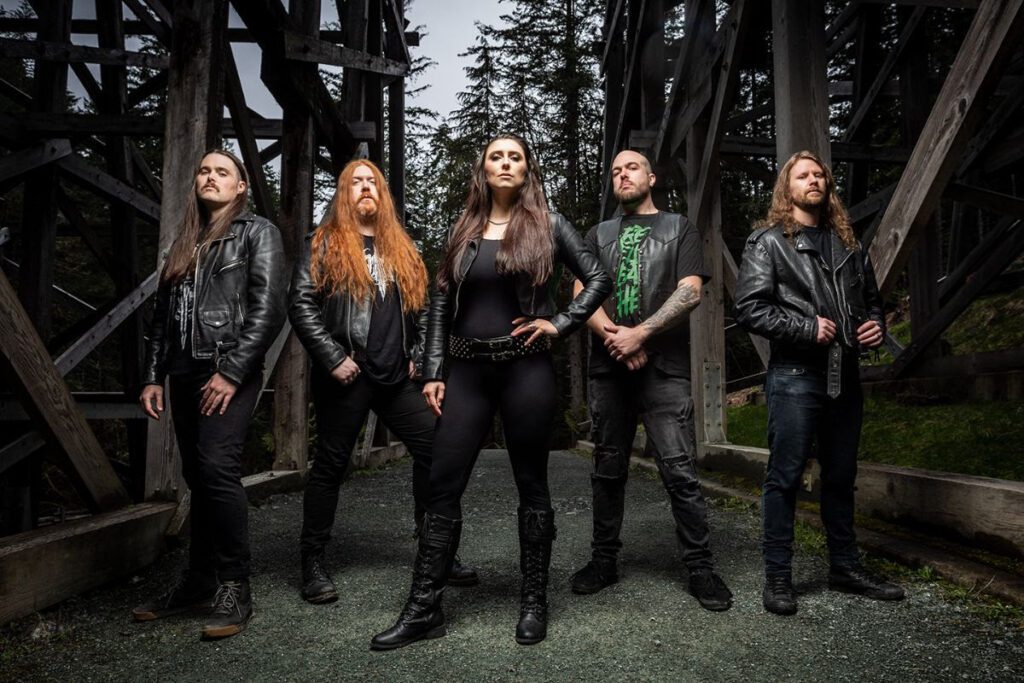
Phantoma” is the fourth conceptual album by Unleash The Archers. They first experimented with this format on 2011’s “Demons of the AstroWaste, but it was the connected saga of “Apex” (2017) and “Abyss” (2020) where it was undeniably perfected. With “Phantoma“, Unleash the Archers had the prescience to craft a fictional story around the topic of artificial intelligence, not knowing that the world was on the cusp of being changed forever with the arrival of ChatGPT. As you could likely imagine, this technology presented some unique opportunities for Unleash The Archers whilst they were in the midst of producing their album. Though you can rest assured, for it was only ever used very sparingly when it came to the songwriting process. Only a few AI-generated words (or phrases) were incorporated into one of their songs, and it was mostly added for the novelty value. The music and lyrics that you hear on “Phantoma” is still very much from the magnanimous minds of lead vocalist Brittney Slayes and company: Grant Truesdell (Guitars, Vocals), Andrew Saunders (Guitars, Vocals), Scott Buchanan (Drums), and Nick Miller (Bass).

With that disclaimer out of the way, let’s discuss the new album. As soon as “Human Era” starts, it’s obvious that Unleash The Archers are trying something a bit different this time around. It’s a slower start, easing you into the album with a mid-tempo, prog-rock number. The sci-fi influence is easily prominent, thanks to the electronic synth elements helping to give it a more futuristic vibe (in much the same vein as “Abyss” before it). As a means of setting up the tone and atmosphere for the album, it largely succeeds. However, you can also feel the narrative weight of this song. A burden which Slayes as the narrator does her best to carry, but it’s ultimately just too much at times. There is precious little in the way of memorability here as well, at least by typical UTA standards. The next track, “Ph4/NT0mA” fares somewhat better. Bringing us closer to the more “classic” Unleash The Archers style we all know and love, with the soaring vocals and fast drum beats leading listeners into the mammoth chorus: “I long to be free at last // Searching inside me to find // Phantoma“.

But third track “Buried In Code” is the first real highlight for me. It appeals to my inner programmer. Especially in the chorus. “Line by line // I’m working it overtime” are lyrics which I can definitely relate to during my day job. And it’s the only song on here with ample catchiness to get stuck in my head, even when I’m not listening to the album. “The Collective” is another high point, in large part due to its second half, and the repetitive loop of the lyric: “We are the collective“. It’s worth noting that Slayes also reaches a few satisfying high notes at the end, and it’s important to savour these kinds of moments if they occur, because they are less of a norm on this album.

Indeed, her vocals sound more subdued on the whole. They are still great – don’t get me wrong. But they’re lacking the same intensity that we’ve come to expect from her over the years. This makes a nice segue for talking about the next track, “Green & Glass“. As this is where the problems I have with this album return, and the band starts to lose me again. I’ll be honest and just say that I really don’t like this song. It’s the weakest song on the album, which makes its promotion all the more perplexing. At any rate, it epitomises my previous criticisms. Slayes’ performance sounds very wishy-washy, and at times, effect-heavy. And it’s almost as if her role as narrator has taken precedence over her kick-ass singing duties.

The album really drops off in the second half too. “Gods in Decay“, for example, takes the commercialised approach introduced by prior album “Abyss to even greater depths. Plus, how about the rather clichéd 80’s power ballad, “Give it Up or Give It All“? All of these are troubling signs. That’s not to say that “Abyss” was a bad album by the way. It had lots of highlights. “Legacy“, in particular, will forever be one of my all-time favourite UTA songs. But I’m not sure that this style should be pushed any further. Even the likes of “Ghosts in the Mist“, which should be a fantastic tune in theory, falls disappointingly flat. There is an interesting enough guitar hook, but the rest of it sounds bland. And it doesn’t help that the band seemingly put little enthusiasm into the track. This is something of a recurring theme now. It all feels like a muted affair. The production does not help in this regard either. As the usually incendiary vocals of Slayes are sometimes extinguished by the rest of the mix. The sound engineer can’t take all the blame though, as there is a concerted effort on the part of Slayes to scale back her vocal intensity as well. One can only wonder why. And I admit it is likely a relative observation too. It’s probably much more striking to long-time fans who are more familiar with the band’s backlog. “Seeking Vengeance” at least restores some faith that the old UTA are still alive and well. Although it’s almost too little, too late at this point. And is immediately counteracted by the plodding energy of “Blood Empress” in any regard. Although I did appreciate the referential nod to Slayes‘ stage-name in this last song’s lyrics.

I stand before my people, fresh out of the fight
I’ve taken every step to put wrongs to right
And though at times I may have lost sight of the way
With no one there to stop me, I came to slay

Unleash the Archers – Blood Empress

Despite this proclamation, it still feels like that killer instinct is missing somewhat. They no longer sound hungry. Everything is a bit more rote, like a band that is just going through the motions. Perhaps that’s unfair to say, but I cannot help but to compare this release to their past work, and the difference is palpable. It may simply be a reflection of where they are at in their lives right now. And maybe this change is an inevitable part of their evolution. But I still wish that Unleash The Archers would show us a bit more fire in their belly. After all, it was this type of energy that initially attracted me to the band. And I’m just not getting that vibe this time around. At least not consistently. Slayes, for her part, sounds like she could be running on low power mode at points. Here’s hoping that they can still regain some of that original vitality, and put out another record to rival the exuberance of “Apex or “Time Stands Still“.

Verdict: The archers have been unleashed, but it seems that they could be running low on ammunition, as this album rarely fires. Though when it does, it usually hits the mark. Still, as a longtime admirer of this band, I just can’t shake the feeling that Unleash the Archers, with “Phantoma”, are becoming a ghostly apparition of their past glory.

Categories
Album Review Staff Review

Ammify – Lost, Not Hiding (Review)

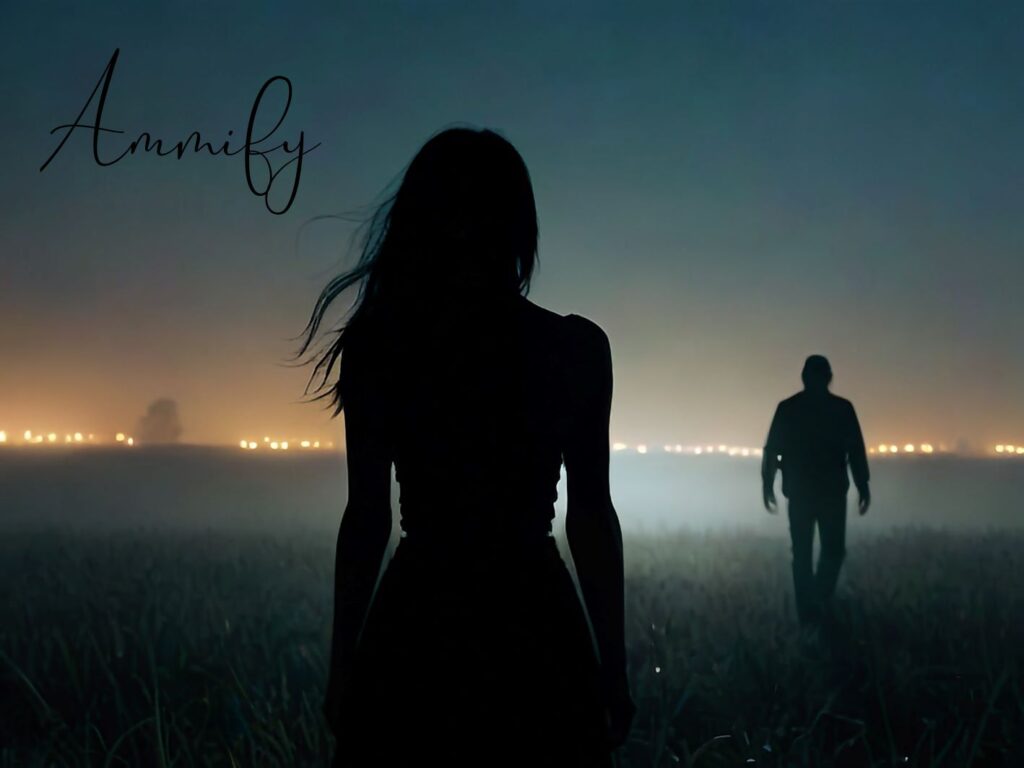
When WormHoleDeath announced the signing of Australian-based duo Ammify last month, I’ll admit that I was immediately intrigued by it. Not least because of the Italian label’s proven track record when it comes to finding superb artists (especially from Australia), but also because of the uniqueness and scale promised by this new musical endeavour. The debut album, “Lost, Not Hiding“, which is set to be released on June 14, represents the cumulative expertise of Ammy Phoenix (vocals/lyrics), who no doubt inspired the band’s name, along with her counterpart, Pete Renzullo (music/production).

The latter, recalls the response from the label when they first heard their music: “They said it was a very powerful album and they mentioned Ammy’s voice, of course. They were just very impressed that the style was quite unique. One of the guys said that we’ve managed to find our own universe and that of the artists they’ve previously signed, nothing like this has come across before.” And that analysis is spot on. This is something quite different. But if you had to categorise the production somehow, then it would broadly fall under the banner of cinematic metal (or CineMetal as the band themselves have affectionately coined).

And while this makes the third album of this style that I’m reviewing in as many months, I’m too far down this rabbit hole to stop now. Particularly when “Lost, Not Hiding” seems to be pushing the boundaries of this new trend more than ever before. There are times when I’m not even sure what I’m listening to, or if it even really qualifies as metal. But one thing that I do know for certain is that it’s constantly engaging. And considering the album itself is just shy of 60 minutes long, that could be considered an achievement on its own. One reason is because of the strong storytelling, which seems to be synonymous with this genre. Even if the thematic content here trends towards darker and more intense topics. Such as on first single, “Cowards Way Out“, which sounds like the recital of a suicide note by Ammy, ending on the weighty, and chilling lyric “I had no choice“.

In fact, much of the album follows this sadder tone. But it is also coupled with a feeling of resilience, and resolving to find the inner strength to overcome one’s struggles. As seen on “Canary“, where Ammy musters up the will to go on: “Even though you clipped my wings // Nothing can keep me from the sky // I’ll never stop until I rise // I’ll never hide away // I can reach the far horizon“. A message that is overwhelmingly positive. So it comes down to how you’re willing to interpret the atmosphere at the end of the day. Just be prepared for an emotionally-affecting journey either way. Other hard-hitting moments include the song “Grief“, featuring a clearly distraught Ammy, which she expresses through her mournful (verging on wailing) vocal work. No words are spoken, but neither are they needed. The message and associated feelings are powerfully received all the same.

You can’t help but wonder how much of this might be autobiographical. The phoenix tattoo on Ammy’s shoulder suggests that she has been through some of life’s ordeals. And she is clearly able to tap into some raw emotions. Though her singing always possesses a serene tranquility, despite what she might be feeling at the time. And again, the implied notion is to keep holding one’s head above water, much like the album’s illustrated cover. This leads me to another point that is worth discussing, which is the attention to detail in the band’s visual presentation. The epitome being reached with their music video for “The Truth Will Set You Free“, which is a direct reflection of their cinematic aspirations, making use of green screen technology and cool props and costume designs so as to bring the medieval setting to life. These scenes are interspersed with performance clips of Ammy and Pete, who are joined by several other musicians. It does make me wonder how practical it will be for Ammify to tour, given the large contingent apparently required to replicate their sound in a live setting.

It’s entirely understandable though. There is a lot going on in their music. And the truth is that there is a lot to dissect on this album. More than I can realistically cover in this review. Even if I could, doing so would probably deprive listeners of the gift of discovery, and that’s part of the appeal of this album. It is the type of release that encourages repeat listening, notwithstanding the allure of the high-quality musicianship. Each subsequent playthrough reveals something new that you maybe hadn’t noticed before. Ammy and Pete have surely packed a lot in here, and it’s obvious that they make a formidable team together. I haven’t even mentioned one of my favourite tracks yet, which for the record is “Hey! You! (Over and Over)“, with its laidback jazz-lounge infused passages. There’s even a hidden track in here. A concept which may seem foreign to most people brought up on streaming, but which I’m absolutely grateful to see supported again (and it’s definitely worth seeking out). As this is their very first album, you really couldn’t ask for anything more from Ammify. It sets up the band perfectly for the future, and highlights a creative freedom that already differentiates them from the rest of the competition.

Verdict: Ammify’s “Lost, Not Hiding” continues to establish the legitimacy of cinematic metal as a genre unto itself. The album brings listeners a truly unique soundscape and narrative structure, while simultaneously presenting it with an impactful honesty that’s bound to foster a deeper connection with the audience.